


When it comes to achieving smooth, hair-free skin, waxing remains one of the most popular alternatives to shaving. However, not all waxing methods are the same, and understanding the differences between sugar wax vs regular waxing can help you choose the right treatment for your skin type, sensitivity, and hair removal goals. While both techniques remove unwanted hair from the root, they differ in their ingredients, application methods, comfort levels, and potential effects on the skin. Exploring the benefits and drawbacks of sugaring vs waxing can help you make a more informed decision before scheduling your next hair removal appointment.
What Is Sugar Waxing?
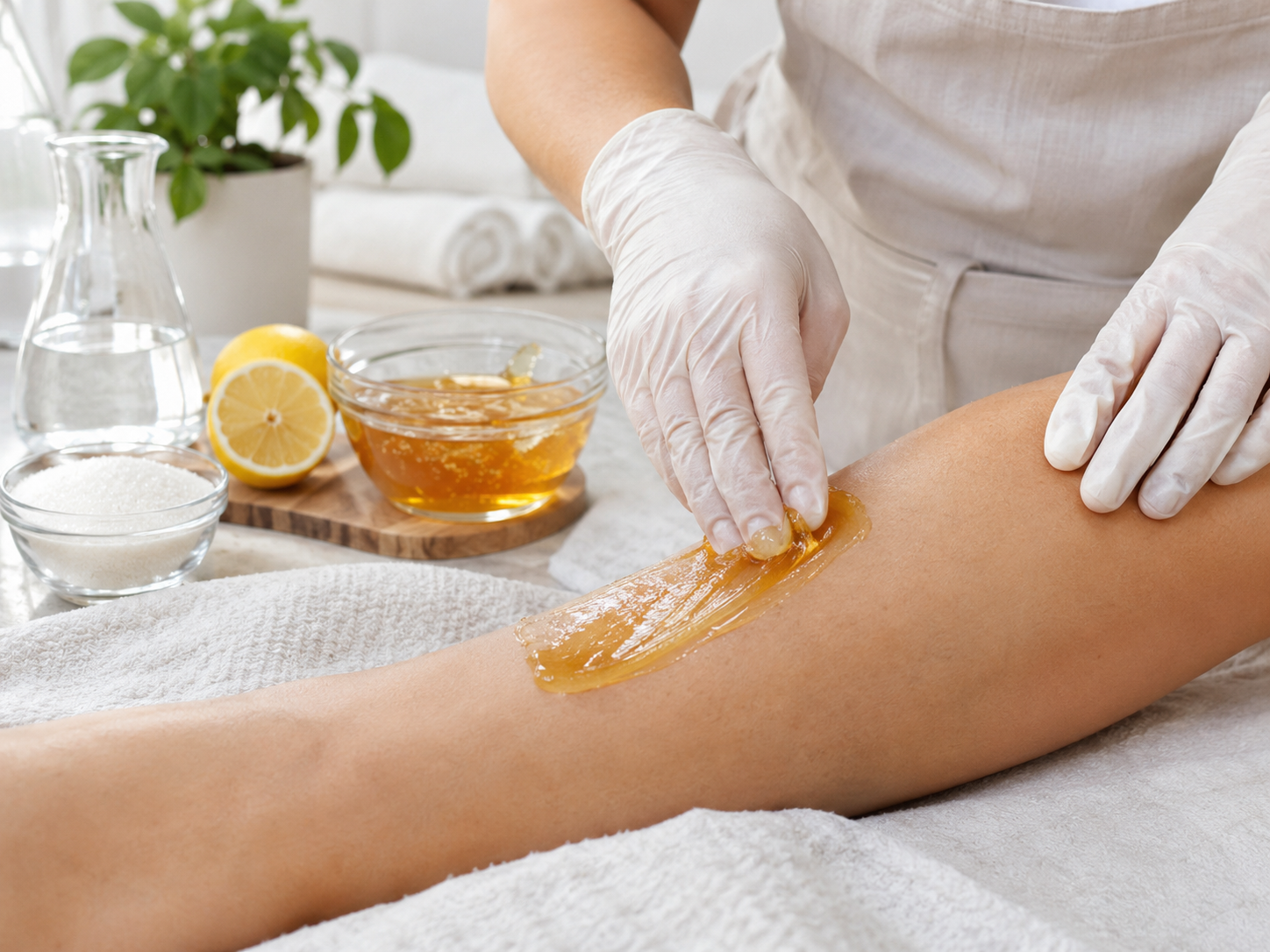
Sugar waxing, also known as sugaring, is a hair removal technique that uses a paste typically made from three simple ingredients: sugar, water, and lemon juice. This natural-based formula is applied to the skin to capture unwanted hair and remove it directly from the root.
Unlike many traditional waxing techniques, sugaring paste is generally applied against the direction of hair growth and removed in the direction of growth. This approach can help minimize hair breakage and reduce unnecessary pulling on the surrounding skin.
Sugar waxing is commonly used on several areas of the body, including the legs, arms, underarms, bikini area, and face. Because the paste primarily adheres to hair and dead surface skin cells rather than strongly gripping healthy skin, sugaring is often considered a gentler alternative for individuals prone to irritation.
Benefits of Sugar Waxing
Sugar waxing offers several potential advantages for those looking for effective hair removal with an emphasis on skin comfort.
Gentle on sensitive skin: Sugar paste typically adheres less aggressively to living skin cells, which may help minimize irritation during removal.
Simple ingredients: Traditional sugaring formulas contain just sugar, water, and lemon juice, making them appealing to individuals who prefer minimal-ingredient skincare products.
Reduced hair breakage: Removing hair in its natural direction of growth may reduce the likelihood of breakage and can help limit certain types of ingrown hairs.
Lower application temperatures: Sugar paste is generally used at or near body temperature, reducing the risk of heat-related burns.
Easy cleanup: Since sugar paste is water-soluble, residue can be removed with warm water.
Gentle exfoliation: Sugaring removes some dead surface skin cells along with unwanted hair, potentially leaving the treated area feeling smoother.
Potential Drawbacks of Sugar Waxing
Although sugar waxing has several advantages, it is important to understand its limitations.
Sugaring can still cause temporary redness, tenderness, or discomfort, especially in sensitive areas.
Certain hair textures or growth patterns may require additional attention or multiple passes for complete removal.
The treatment may take longer than traditional strip waxing when covering larger areas.
Sugaring requires specialized application techniques, making professional experience particularly important for achieving consistent results.
What Is Regular Waxing?
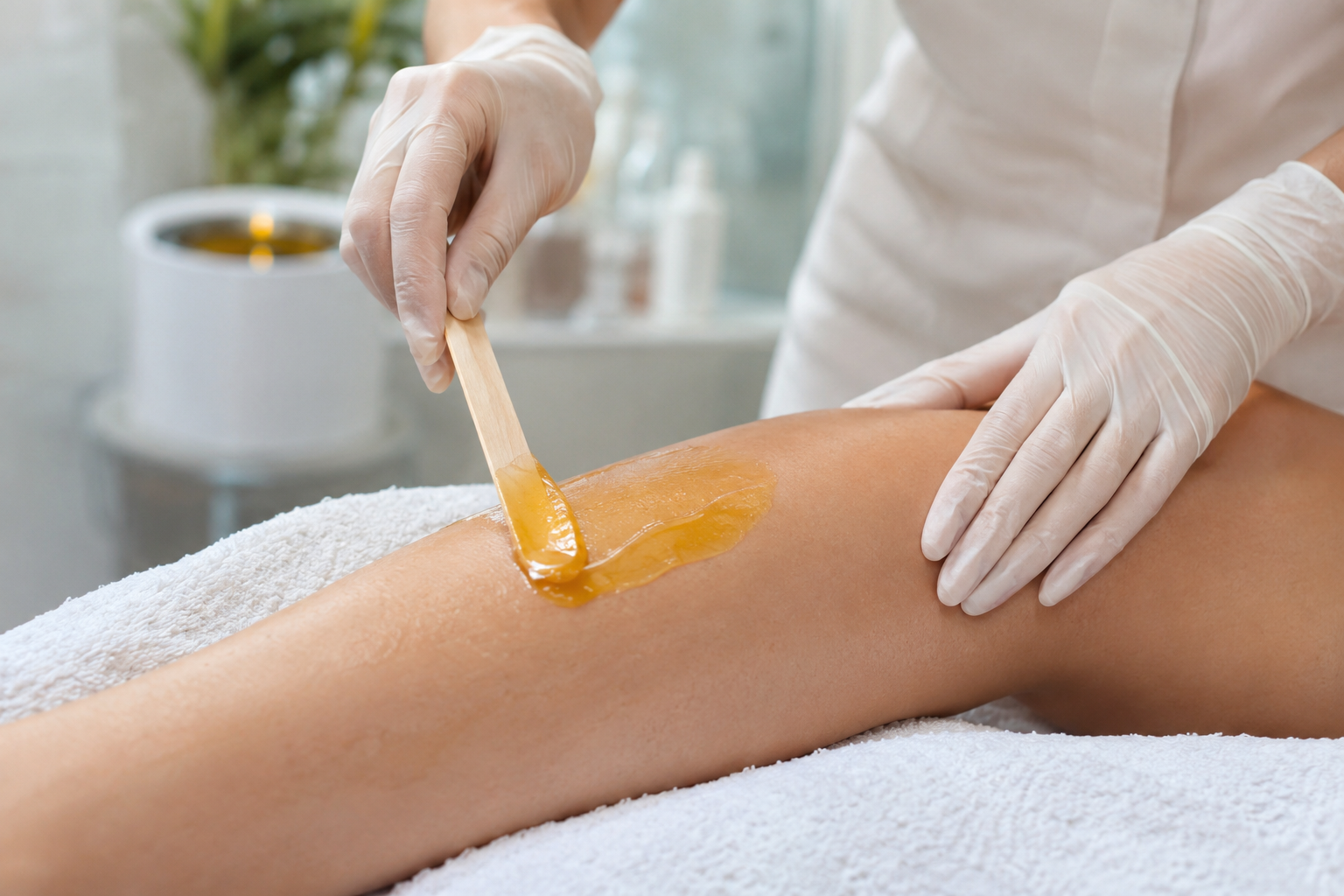
Regular waxing, often referred to as traditional waxing, is a hair removal method that uses a specially formulated wax to grip unwanted hair and remove it from the root. Depending on the formulation, traditional wax may contain resins, beeswax, synthetic ingredients, or other substances designed to help the product adhere to hair.
Traditional waxing generally involves applying wax in the direction of hair growth and removing it quickly in the opposite direction. There are two primary types of regular waxing commonly used in professional spas.
Soft Wax: Also known as strip wax, soft wax is spread in a thin layer over the treatment area and removed using a cloth or paper strip. This method is particularly effective for larger areas, such as the legs, arms, back, and chest.
Hard Wax: Hard wax is applied directly to the skin and allowed to cool and harden slightly before being removed without a strip. Because properly applied hard wax tends to grip hair more than skin, it is frequently used on delicate areas, including the face, underarms, and bikini line.
Both methods offer effective hair removal, although the ideal choice depends on the treatment area, skin sensitivity, and individual preferences.
Benefits of Regular Waxing
Traditional waxing continues to be a popular hair removal method because of its versatility and efficiency.
Effective hair removal: Both soft and hard wax can remove coarse and fine hairs directly from the root.
Efficient treatment times: Soft waxing allows professionals to cover large areas relatively quickly.
Versatile applications: Different formulations can be selected for the face, legs, arms, bikini area, and other body regions.
Long-lasting smoothness: Results commonly last several weeks, depending on individual hair growth patterns.
Professional customization: Experienced estheticians can choose between hard and soft wax to accommodate different hair textures and treatment areas.
Potential Drawbacks of Regular Waxing
Despite its effectiveness, regular waxing may present certain disadvantages, particularly for individuals with sensitive or reactive skin.
Wax can adhere to the skin and cause temporary redness, irritation, or tenderness during removal.
Improperly heated wax may cause burns or discomfort.
Some individuals may experience sensitivity to specific wax ingredients, including certain resins or fragrances.
Hair removal against the direction of growth can sometimes contribute to breakage or ingrown hairs.
Repeated waxing over the same area may increase the risk of skin irritation or lifting.
These potential drawbacks do not mean traditional waxing is unsuitable for sensitive skin. Hard wax, in particular, can be an appropriate option when used by an experienced professional.
Sugar Wax vs Regular Waxing: A Side-by-Side Comparison
When comparing sugar wax vs regular waxing, the biggest differences involve the ingredients, application techniques, temperature, and how each product interacts with the skin.
The following table highlights the key characteristics of each method.
| Feature | Sugar Waxing (Sugaring) | Regular Waxing |
|---|---|---|
| Ingredients | Typically sugar, water, and lemon juice | Wax, resins, and other ingredients depending on the formula |
| Application direction | Generally applied against hair growth | Generally applied with hair growth |
| Removal direction | Removed in the direction of hair growth | Removed against hair growth |
| Application temperature | Usually room or body temperature | Typically warmed or heated |
| Skin adhesion | Primarily grips hair and dead surface skin cells | Varies; soft wax generally adheres more strongly to skin than hard wax |
| Discomfort | Often perceived as gentler, but varies by person | Can cause discomfort depending on the wax and treatment area |
| Ingrown hair potential | May reduce breakage with proper technique | Ingrown hairs remain possible, particularly with hair breakage |
| Hair removal results | Typically lasts several weeks | Typically lasts several weeks |
| Best suited for | Clients seeking a minimal-ingredient, potentially gentler option | Clients seeking versatile, efficient hair removal |
| Cleanup | Water-soluble and easily rinsed away | Typically requires oil-based or specialized wax removers |
Both treatments are effective, and neither method is universally superior. Choosing between sugaring vs waxing ultimately depends on your individual skin needs, hair texture, treatment area, and the techniques used by your esthetician.
Sugaring vs Waxing: Which Method Is Less Painful?
One of the most common questions about sugaring vs waxing is whether one method is less painful than the other.
Sugar waxing is frequently described as a more comfortable option because the paste generally adheres less strongly to living skin cells and is removed in the direction of hair growth. This technique may reduce unnecessary pulling on the skin and minimize discomfort for some individuals.
Traditional waxing can involve a stronger pulling sensation, particularly when using soft wax on sensitive areas. However, hard wax can also provide a relatively gentle experience because it is formulated to grip hair while limiting adhesion to the surrounding skin.
Pain tolerance varies considerably from person to person. Factors such as hair thickness, treatment location, skin sensitivity, and previous hair removal experience can all influence how a treatment feels.
For individuals concerned about discomfort, discussing their sensitivity and preferences with an experienced esthetician is often more beneficial than selecting a method based on pain expectations alone.
Which Is Better for Sensitive Skin: Sugar Wax or Regular Wax?
For individuals with sensitive skin, sugar waxing may offer certain advantages over traditional soft waxing. Its minimal-ingredient formula and reduced adhesion to healthy skin can make it an appealing option for people who frequently experience irritation after hair removal.
However, natural ingredients do not automatically make a product safe for every skin type. Sugar waxing can still cause redness, irritation, and other skin reactions, particularly when performed on compromised or highly reactive skin.
Hard waxing may also be suitable for sensitive areas because it is designed to grip hair without adhering as aggressively to the skin as conventional soft wax.
Certain skincare products and medications can also affect the safety of hair removal. For example, prescription retinoids, isotretinoin, and some exfoliating treatments can increase skin vulnerability. The American Academy of Dermatology recommends specific precautions for waxing when using medications that can make skin more fragile.
Before undergoing either treatment, it is important to inform your esthetician about current skincare products, medications, recent chemical peels, sunburns, and any existing skin conditions.
Does Sugar Waxing Last Longer Than Regular Waxing?
Another important consideration when comparing sugar wax vs regular waxing is how long the results last.
Both methods remove unwanted hair from the root, meaning they generally provide longer-lasting smoothness than shaving. Most individuals can expect results to last approximately three to six weeks, although noticeable regrowth may begin sooner depending on their natural hair growth cycle.
Because sugaring removes hair in the direction of growth, it may reduce breakage in certain circumstances. When hair is removed successfully from the root rather than breaking near the surface, the skin may remain smooth for longer.
However, there is no guarantee that sugaring will produce longer-lasting results than traditional waxing. The duration of smoothness depends primarily on factors such as:
Individual hair growth cycles and genetics
Hair thickness and density
The body area being treated
The consistency of hair removal appointments
Whether hairs are successfully removed from the root
With regular appointments, some individuals notice that regrowth appears softer or less noticeable. However, neither sugaring nor traditional waxing should be considered a permanent hair removal method.
Does Sugaring Cause Fewer Ingrown Hairs Than Waxing?
Ingrown hairs develop when hair grows back into the skin instead of emerging normally through the follicle opening. They can cause small bumps, redness, irritation, and occasional inflammation.
Sugaring may help reduce certain causes of ingrown hairs because the paste is removed in the direction of hair growth. This technique can limit hair breakage, which may lower the likelihood of hairs becoming trapped beneath the skin.
However, both sugaring and regular waxing can cause ingrown hairs, particularly in areas with coarse or curly hair.
Proper preparation, professional technique, and consistent aftercare are essential for minimizing irritation and supporting healthier hair regrowth. Gentle exfoliation between appointments may help prevent dead skin buildup, but exfoliating too soon after hair removal can increase sensitivity.
Experience Personalized Sugar Waxing and Skincare at Radiant Ritual Spa in Temecula, CA
At Radiant Ritual Spa, we believe effective hair removal should prioritize both beautiful results and your personal comfort. Located inside Sola Salon Suites at the Promenade Temecula, our boutique spa specializes in skincare, waxing, and wellness services designed to help you look and feel your best. We offer customized facials, professional waxing, glow-enhancing treatments, and professional spray tanning in a clean, relaxing, and elevated environment. Our professional body waxing services include sugar wax, soft wax, and hard wax options, allowing us to tailor each treatment to your skin sensitivity, hair type, and desired results.
Radiant Ritual Spa is led by Kaitlyn, a licensed esthetician with more than 14 years of experience in the spa industry. Her expertise, commitment to continuing education, and thoughtful approach to skincare allow us to provide personalized treatments with close attention to detail. Whether you are considering sugaring for the first time, maintaining a regular waxing routine, or exploring our customized skincare treatments, we focus on results-driven care using high-quality products selected for your individual needs. Our goal is simple: make radiance your ritual.
Book Your Professional Sugar Waxing Appointment at Radiant Ritual Spa Today
Understanding the differences between sugar wax vs regular waxing can help you select a hair removal method that aligns with your skin type, comfort level, and beauty goals. While sugaring may offer a gentler experience for some individuals, traditional waxing remains an effective and versatile option for achieving long-lasting smoothness. The best results come from choosing a treatment tailored to your skin and having it performed by an experienced professional.
If you are looking for professional sugar waxing or traditional waxing services in Temecula, CA, we invite you to experience personalized care at Radiant Ritual Spa. Contact us today at (760) 580-0867 or book your waxing appointment directly online to discover a more comfortable, customized approach to smooth, radiant skin.
FAQs
-
The main difference between sugaring vs waxing is the type of product used and the direction of hair removal. Sugaring typically involves applying a sugar-based paste against hair growth and removing it in the direction of growth, while regular waxing generally follows the opposite application and removal process.
-
Sugar waxing is often considered less painful because the paste primarily grips unwanted hair rather than strongly adhering to the surrounding skin. However, discomfort varies depending on individual pain tolerance, hair thickness, and the area being treated.
-
Sugar waxing can be a gentler option for sensitive skin because it uses a simple, water-soluble paste that generally causes less pulling on healthy skin. However, individuals with highly reactive skin or existing skin conditions should consult an experienced esthetician before scheduling a treatment.
-
Radiant Ritual Spa offers professional sugar waxing and traditional waxing services in Temecula, CA, from a private spa suite inside Sola Salon Suites at the Promenade Temecula. Led by Kaitlyn, a licensed esthetician with over 14 years of industry experience, we provide personalized hair removal treatments designed around your skin type, comfort, and desired results.